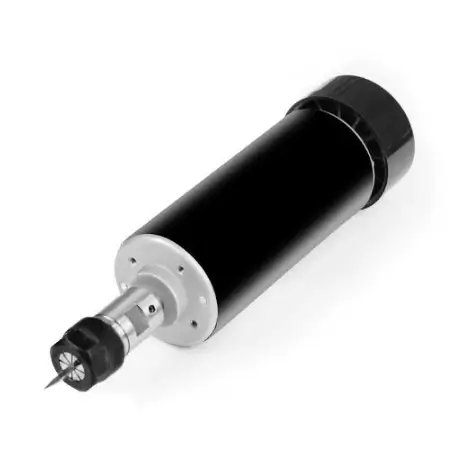
Choosing the Right Air Cooled Spindle Motor for Your Setup
Spindle cooling method is one of those decisions that seems minor at purchase time but has a lasting impact on daily operation. For many shops, an air cooled spindle motor offers a practical balance between performance and maintenance simplicity, particularly for lighter-duty or space-constrained setups.
How Air Cooling Compares to Liquid Cooling in Practice
Air cooled spindles rely on integrated fans to dissipate heat, avoiding the need for a separate water cooling system, pump, and associated plumbing. This simplicity reduces maintenance overhead and eliminates the risk of coolant leaks, though it generally comes with somewhat lower sustained power output compared to liquid-cooled alternatives.
Situations Where Air Cooling Makes the Most Sense
Hobbyist setups, smaller CNC routers, and shops running intermittent rather than continuous heavy cutting loads often find air cooled spindles perfectly adequate for their needs. The reduced complexity also makes them a popular choice for mobile or space-limited installations where a full liquid cooling loop would be impractical.
Buyers comparing spindle cooling options often review specifications for a typical air cooled spindle motor to understand power ratings and duty cycle limits before making a final decision.
Noise and Ventilation Considerations
Because air cooled spindles rely on fan-driven airflow, they tend to be somewhat louder than liquid-cooled equivalents. Workshop layout and ventilation should factor into the decision, particularly in environments where dust accumulation around the cooling fins could otherwise reduce cooling efficiency over time.
Frequently Asked Questions
Is an air cooled spindle suitable for continuous heavy cutting?
It can be, but performance under sustained heavy load is generally lower than a comparable liquid-cooled spindle, so matching the spindle to expected duty cycle is important.
See also: Green Technology Innovations Driving Sustainable Development
How often does the cooling fan need maintenance?
Periodic cleaning to remove dust buildup is usually sufficient, though the fan itself should be inspected regularly for wear given its constant operation.
Are air cooled spindles generally cheaper than liquid cooled options?
Yes, both in upfront cost and ongoing maintenance, since there is no coolant system to maintain or replace.
Final Thoughts
Choosing between air and liquid cooling ultimately comes down to matching the spindle to actual usage patterns. For many lighter-duty applications, an air cooled spindle motor delivers reliable performance without the added complexity of a liquid cooling system.