Comprehensive Guide to All on 4 Dental Implants
Dental implants have revolutionised the field of restorative dentistry by offering patients effective long-term solutions for tooth loss. Among the various implant techniques available, all on 4 dental implants have gained significant recognition for their efficiency and reliability. This article provides a comprehensive guide to understanding the all on 4 system, its advantages, procedure, and considerations.
What are All on 4 Dental Implants?
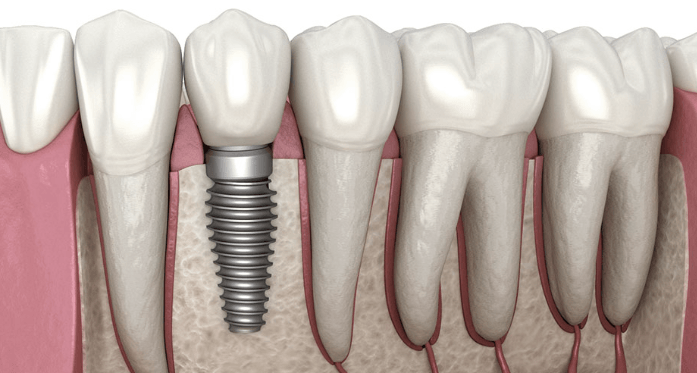
The all on 4 system is a dental implant technique designed to replace a full arch of teeth using just four strategically placed dental implants. Unlike traditional implants where a single implant is used for each missing tooth, the all on 4 approach utilises fewer implants to support a complete set of prosthetic teeth, offering a streamlined and cost-effective solution.
Historical Development
The all on 4 technique was developed to address the challenges faced by patients with significant bone loss in the jaw. Patients with advanced resorption often cannot receive traditional implants without the need for extensive bone grafting. The 45-degree angulation of the posterior implants in the all on 4 method maximises bone use and minimises the need for grafting procedures.
How Does the All on 4 System Work?
In the all on 4 procedure, four implants are placed into the jawbone. Two implants are positioned vertically in the front of the jaw where bone density is naturally higher, and two implants are placed at an angle in the back of the jaw. This angulation helps avoid anatomical structures such as the sinus cavities in the upper jaw or the nerve canal in the lower jaw.
The implants act as anchors for a fixed prosthetic arch, which is usually delivered within 24 to 48 hours after surgery. This allows patients to leave the clinic with a functional set of teeth, reducing the healing time and improving overall patient satisfaction.
Advantages of All on 4 Dental Implants
The all on 4 system offers several advantages compared to traditional denture solutions and other implant protocols. Firstly, it provides a fixed, non-removable prosthesis which improves chewing efficiency, speech, and aesthetics significantly.
Another important advantage is the reduction in treatment time. Patients generally receive a temporary fixed bridge within two days of implant placement, enabling them to avoid prolonged periods without teeth.
Cost-effectiveness is also a key benefit due to the lower number of implants required and the avoidance of bone grafting procedures. This makes the all on 4 technique more accessible to a wider range of patients.
Patient Eligibility and Assessment
Determining patient suitability for the all on 4 treatment involves comprehensive clinical evaluation. Factors such as overall health, bone quality and quantity, oral hygiene status, and existing medical conditions are assessed.
Advanced imaging techniques like cone beam computed tomography (CBCT) scans play a crucial role in planning the implant placement by providing detailed three-dimensional views of the jawbone.
Detailed Procedure Overview
The all on 4 procedure is typically completed in several stages. Initially, the dentist will extract any remaining failing teeth in the arch scheduled for reconstruction. Following this, the four implants are surgically inserted.
Once the implants are secured, an impression is taken to fabricate a temporary fixed prosthesis. The provisional teeth restore aesthetics and function during the osseointegration phase, where the implants fuse with the bone.
After a healing period of approximately three to six months, a permanent prosthetic arch is fabricated and fitted. This final restoration is designed to provide optimal function, comfort, and appearance for the patient.
Materials Used in All on 4 Restorations
Prosthetic arches for all on 4 implants are typically made from high-quality dental materials such as acrylic resin or porcelain. Acrylic options are lighter and more cost-effective, whereas porcelain offers superior aesthetics and durability.
The framework supporting the prosthesis is usually constructed from titanium or zirconia to provide strength and biocompatibility.
Potential Risks and Considerations
Like any surgical procedure, all on 4 dental implant treatment carries some risks. These may include infection, implant failure, nerve damage, or complications related to bone healing. However, such risks are relatively low when performed by experienced clinicians.
Patient compliance with post-operative care, including oral hygiene and follow-up visits, is essential for the long-term success of the implants.
Maintenance and Longevity
All on 4 implants require regular maintenance similar to natural teeth. This includes daily brushing, flossing, and routine dental check-ups. Professional cleaning is necessary to prevent peri-implant diseases.
With proper care, all on 4 implants can last decades, offering patients a durable and reliable solution for complete tooth replacement.
Who Can Benefit from All on 4 Implants?
This implant solution is ideal for individuals suffering from significant tooth loss, advanced gum disease, or those struggling with unstable dentures. It is also suitable for patients who wish to avoid removable dentures and seek a more permanent restoration option.
Patients with sufficient bone volume in the anterior jaw and those in good general health are prime candidates for all on 4 dental implants.
Comparisons with Other Implant Techniques
Compared to traditional implant methods requiring six or more implants per arch, the all on 4 procedure reduces the number of implants needed without compromising function. It also often eliminates the need for bone grafting, making it less invasive.
While traditional dentures offer lower upfront costs, they lack the stability, comfort, and functionality provided by the all on 4 system.
Conclusion
All on 4 dental implants represent an advanced and efficient solution for full-arch tooth replacement. The technique’s innovative approach reduces treatment time, cost, and complexity while restoring patient confidence with fixed, natural-looking teeth.
Prospective patients considering this option should consult with qualified dental professionals to evaluate their individual needs. Understanding the detailed aspects of the all on 4 system will assist in making informed decisions toward achieving optimal oral health outcomes.