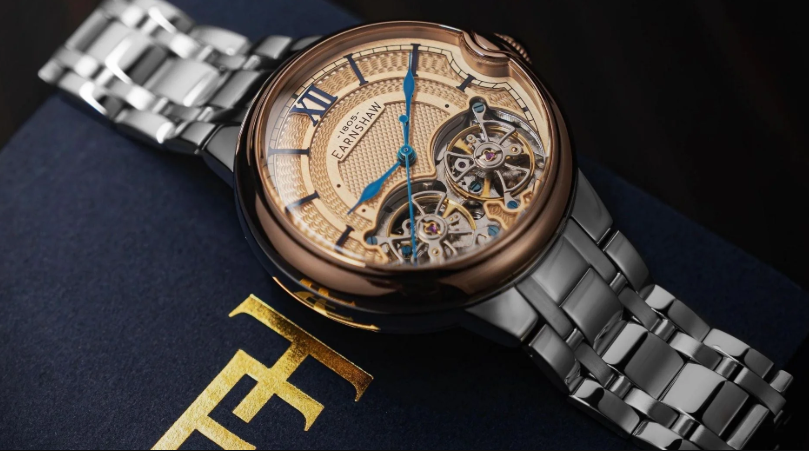
Exploring the Timeless Appeal of Mechanical Watches
In an era dominated by digital technology, the charm of mechanical watches remains undiminished. Mechanical watches embody craftsmanship, precision engineering, and a heritage that appeals to collectors and enthusiasts alike. This article delves into the enduring allure of these timepieces, explaining their construction, significance, and the reasons why they continue to capture the imagination.
Understanding the Mechanical Watch
A mechanical watch is defined by its internal mechanism, which operates without batteries. Instead, it relies on a complex system of gears, springs, and levers, meticulously assembled to measure and display time. The power source is usually a mainspring that must be wound either manually or through the automatic motion of the wearer’s wrist.
Unlike quartz watches, which use electronic oscillators regulated by a crystal, mechanical watches depend on entirely mechanical components. This craftsmanship results in an intricate timekeeping device that often represents the pinnacle of horological skill.
See also: Ultimate Guide to Concrete Paint for Durable Surfaces
The Components of a Mechanical Watch
At the heart of a mechanical watch lies several essential components working in harmony. The mainspring stores energy when wound, which is transferred through the gear train. The escapement mechanism then controls the release of this energy in precise increments, allowing the watch hands to move accurately.
The balance wheel oscillates at a steady rate, acting as the timekeeper for the watch. Alongside these is the dial, hands, and casing, each element contributing to the watch’s functionality and aesthetic. The meticulous assembly of these parts requires skilled artisans and highlights the complexity involved in manufacturing a mechanical timepiece.
Historical Significance
Mechanical watches have a rich history dating back centuries, with origins in the early pocket watches of the 16th century. Over time, these devices evolved into wristwatches, becoming a symbol of sophistication and technical innovation. The Rolex Oyster, introduced in the 1920s, is a landmark example of mechanical watch development, combining water resistance and reliable mechanics.
Collectors value mechanical watches not only for their functionality but also for their connection to this heritage. Owning a mechanical watch is often seen as owning a piece of history and artistry.
The Craftsmanship Behind Mechanical Watches
Precision engineering and expert craftsmanship define a quality mechanical watch. Skilled watchmakers spend hours assembling and regulating each movement to ensure accuracy and durability. Many luxury watches feature hand-finished movements, adding value and uniqueness.
The complexity can vary significantly, from simple three-hand watches to those with complications such as chronographs, moon phases, or tourbillons. Such complications require additional components and intricate adjustments, showcasing the horological expertise involved.
Reasons for the Timeless Appeal
One reason the mechanical watch endures in popularity is the tactile experience it offers. Winding a mechanical watch connects the user directly to the mechanism, fostering a sense of engagement absent in digital alternatives. This interaction enhances appreciation for the device itself.
Another factor is the aesthetic variety. Mechanical watches come in myriad designs, from minimalist to ornate, ensuring a broad appeal across different tastes and styles. The transparent case back on many models exposes the movement, allowing owners to observe the meticulous operation within.
Investment Value
Mechanical watches often hold or increase in value over time, especially when produced by reputable manufacturers with limited editions or historical significance. Some vintage mechanical watches command substantial prices at auctions, reflecting their desirability among collectors.
Careful maintenance and servicing preserve the provenance and operational quality of mechanical watches, making them viable heirlooms. Unlike most digital watches, which depreciate rapidly, mechanical watches can be a long-term investment.
Environmental Considerations
Mechanical watches are also viewed favourably from an environmental perspective. Their long lifespan and the absence of disposable batteries mean fewer resources are consumed over time. With proper care, these watches can function for decades, reducing waste and the need for frequent replacements.
Modern Innovations in Mechanical Watches
While mechanical watches are often associated with tradition, modern technology has influenced their design and manufacture. Advances such as silicon components have improved reliability and precision. Innovative materials enhance durability and resistance to magnetism, ensuring performance in contemporary conditions.
Some manufacturers also blend traditional mechanics with smart features, offering hybrid designs that preserve the mechanical movement while incorporating digital technology subtly.
The Cultural and Social Status of Mechanical Watches
Owning a mechanical watch is often linked to a statement of refinement and attention to detail. They are frequently worn as symbols of achievement and personal taste. In many professional and social circles, a mechanical watch conveys seriousness and an appreciation for craftsmanship.
This status could also derive from the association with luxury brands and the heritage that mechanical watches embody. Consequently, the mechanical watch serves as both a functional tool and a cultural icon.
Maintaining a Mechanical Watch
Proper maintenance is crucial for preserving the longevity and accuracy of a mechanical watch. Regular servicing is recommended every 3 to 5 years to clean, lubricate, and adjust components. Neglecting maintenance can lead to wear and diminished performance.
Users are also advised to protect their watches from strong magnets, shocks, and extreme temperatures. Many mechanical watch owners take pride in maintaining their timepieces and ensuring they remain in optimal condition.
Choosing a Mechanical Watch
When selecting a mechanical watch, several factors should be considered: the movement type (manual or automatic), brand reputation, aesthetic preference, and intended use. Buyers may prioritise precision, complexity, or design elements based on their needs.
For those new to mechanical watches, exploring available models through dedicated collections offers insight into the variety and quality. In-depth research and purchasing from trusted retailers ensure authenticity and after-sales support.
The Future of Mechanical Watches
Despite technological advances in timekeeping, mechanical watches continue to thrive due to their unique characteristics. The emphasis on heritage, artistry, and individual engagement with the device is unlikely to diminish. Enthusiasts and collectors will continue to champion mechanical watches, maintaining their relevance in the modern era.
Manufacturers are expected to blend tradition with innovation, producing watches that retain classic appeal while incorporating subtle technological improvements, ensuring mechanical watches remain an integral part of horology.
Exploring Mechanical Watch Collections Online
Consumers interested in mechanical watches can access a broad range of options through established jewellers and watch specialists. Online platforms provide detailed descriptions, specifications, and imagery to assist with selection. For example, the extensive mechanical watch collection available online showcases a variety of styles, movements, and brands catering to diverse preferences.
Conclusion
The timeless appeal of mechanical watches lies in their blend of precision, artistry, heritage, and personal connection. Far from being obsolete in the digital age, these timepieces represent a unique intersection of technology and tradition. From their intricate mechanisms to their status as symbols of refinement, mechanical watches continue to captivate and inspire.
For individuals seeking a meaningful and enduring timekeeping experience, exploring a mechanical watch offers a journey into engineering excellence and historical significance that few other accessories can match.