How Dock Leveler Systems Improve Loading Dock Efficiency
Loading docks represent a critical bottleneck point in many warehouse and distribution operations, and dock leveler systems play a central role in keeping freight moving safely and efficiently between trucks and warehouse floors. Understanding how these systems work helps facility managers make more informed equipment decisions.
The Core Function of a Dock Leveler
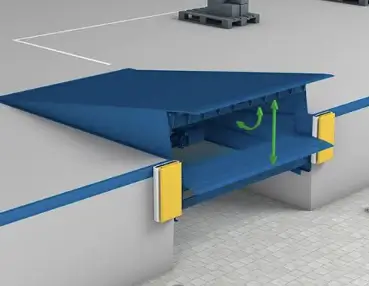
A dock leveler bridges the height gap between a warehouse floor and the bed of a parked truck trailer, compensating for differences that arise from varying trailer heights and suspension settling during loading and unloading. Without this bridge, forklifts and pallet jacks would face dangerous and inefficient transitions at the loading dock edge.
Mechanical Versus Hydraulic Operation
Dock levelers generally fall into mechanical, hydraulic, or air-powered operating categories, each offering different trade-offs in terms of operating speed, maintenance requirements, and upfront cost. Facilities with high loading dock traffic often find that hydraulic systems justify their higher initial cost through reduced operator effort and faster cycle times.
Capacity Ratings and Safety Margins
Dock levelers are rated for specific weight capacities, and facility managers should select equipment with adequate safety margin above the heaviest anticipated loads, including the combined weight of material handling equipment and cargo passing over the leveler during operation.
Weather Sealing and Environmental Protection
For facilities in climates with significant weather exposure, dock leveler systems paired with appropriate seals and shelters help maintain temperature control within the warehouse and protect goods from weather exposure during the loading and unloading process.
See also: How Machine Learning Is Enhancing Business Decision Making
Safety Features Worth Prioritizing
Modern dock leveler systems typically include safety features like toe guards, maintenance struts, and automatic lip extension mechanisms designed to reduce the risk of injury during operation. Facility managers should ensure any system under consideration meets relevant occupational safety standards for their region.
Comparing Dock Leveler Options
For facility managers planning a new loading dock installation or upgrade, reviewing the range of configurations offered through a dock leveler systems supplier can help clarify which operating type and capacity best match specific facility requirements.
Maintenance Requirements for Long-Term Reliability
Regular inspection of hydraulic seals, mechanical linkages, and safety mechanisms helps prevent unexpected downtime and ensures dock levelers continue operating safely throughout their service life. Establishing a routine maintenance schedule from the outset is generally more cost-effective than addressing issues reactively.
Frequently Asked Questions
How do I determine what capacity dock leveler my facility needs? Facility managers should calculate the combined weight of the heaviest expected loads plus material handling equipment, then select a leveler rated with an appropriate safety margin above that figure.
Are hydraulic dock levelers worth the additional cost over mechanical systems? For facilities with high loading dock traffic, the faster cycle times and reduced operator effort offered by hydraulic systems often justify the higher upfront investment over time.
What safety features should facility managers prioritize? Toe guards, maintenance struts for safe servicing, and automatic lip extension mechanisms are among the most important safety features to look for when evaluating dock leveler systems.
Final Thoughts
Dock leveler systems play an essential role in maintaining safe, efficient loading dock operations. Understanding the differences between operating types, capacity requirements, and safety features helps facility managers select equipment that will perform reliably under real-world warehouse conditions.