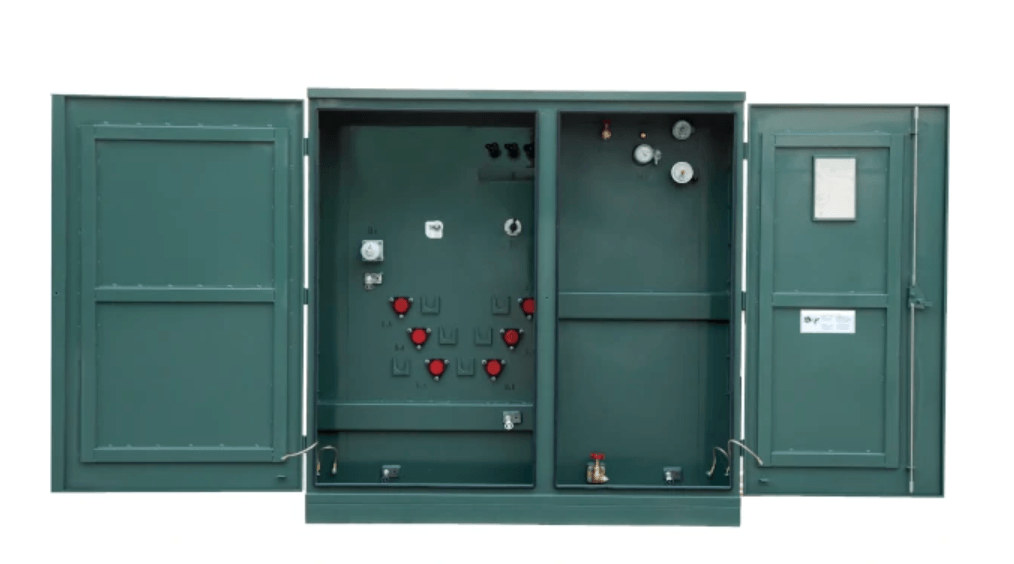
Why Grounding a Transformer Is Critical for Electrical Safety
Grounding a transformer is one of the most important practices in electrical power systems because it directly affects safety, equipment protection, and system reliability. In modern power distribution networks, transformers play a central role in stepping voltage levels up or down, and without proper grounding, even minor faults can escalate into dangerous situations. Grounding ensures that fault currents have a controlled path to the earth, preventing uncontrolled voltage buildup that can damage equipment or endanger human life.
Understanding why grounding is essential helps engineers, technicians, and facility managers maintain stable and safe electrical systems. It also reduces the risk of electrical shocks, system failures, and costly downtime across industrial, commercial, and utility-scale installations.
What Does Grounding a Transformer Mean
Grounding a transformer refers to connecting part of the transformer system, typically the neutral point, to the earth. This creates a reference point of zero voltage and a safe path for fault currents to flow.
In most power systems, grounding is applied to the neutral of the transformer winding. This ensures that when a fault occurs, such as a line-to-ground fault, the excess current is safely diverted into the earth rather than flowing through equipment or personnel.
Grounding methods may vary depending on system design. Common approaches include solid grounding, resistance grounding, and reactance grounding. Each method is chosen based on system voltage level, fault current limitations, and safety requirements.
Why Grounding a Transformer Is Critical for Electrical Safety
The primary reason grounding is essential is safety. Electrical systems operate at high voltages, and any uncontrolled leakage or fault can result in severe hazards. Grounding ensures that abnormal currents are controlled and predictable.
Without grounding, a transformer system can develop dangerous voltage levels on exposed metal parts. This can lead to electrical shock risks, insulation failure, and even fire hazards.
Grounding also stabilizes voltage levels during normal operation. It provides a reference point for the system, which helps maintain consistent performance and reduces fluctuations that could affect sensitive equipment.
Fault Conditions and How Grounding Responds
Electrical systems frequently experience faults such as line-to-ground, line-to-line, or three-phase faults. Among these, line-to-ground faults are the most common in distribution systems.
When a fault occurs in a grounded transformer system, the fault current flows directly to earth through the grounding path. This allows protective devices such as circuit breakers and relays to quickly detect and isolate the faulted section.
Without grounding, the fault current may not have a defined path, which can cause voltage levels to rise unpredictably across the system. This can damage insulation and lead to cascading failures.
A properly grounded transformer ensures that:
- Fault currents are safely directed to earth
- Protective devices operate quickly and accurately
- System damage is minimized during abnormal conditions
System Stability and Voltage Control
Grounding plays a major role in maintaining overall system stability. It helps keep phase voltages balanced and prevents the neutral point from floating.
In ungrounded systems, the neutral point can shift during faults, causing overvoltage conditions on healthy phases. This can stress insulation and reduce the lifespan of connected equipment.
Grounding also reduces transient overvoltages caused by lightning strikes or switching operations. By providing a low resistance path to earth, it helps dissipate energy safely.
This stability is especially important in large power networks where multiple transformers operate in parallel. A stable grounding system ensures uniform performance across the grid.
Protection of Equipment from Damage
Transformers, switchgear, and connected loads are all vulnerable to damage if grounding is inadequate. Electrical faults can generate excessive currents that overheat windings and degrade insulation materials.
Grounding helps protect equipment by ensuring faults are quickly cleared. It limits the duration of fault currents, reducing thermal and mechanical stress on components.
Some key protective benefits include:
- Reduced risk of insulation breakdown
- Lower chance of transformer winding damage
- Prevention of arc faults and electrical fires
- Improved lifespan of electrical infrastructure
By maintaining controlled fault behavior, grounding significantly reduces maintenance costs and unexpected failures.
Personnel Safety and Risk Reduction
One of the most critical functions of grounding a transformer is protecting people who work near electrical systems. Exposed conductive parts can become energized during a fault if grounding is not properly implemented.
Grounding ensures that any stray voltage is safely discharged into the earth. This reduces the risk of electric shock when maintenance or inspection is performed.
It also ensures that protective devices operate fast enough to disconnect faulty circuits before they pose a danger.
In industrial environments, where workers interact with high-voltage equipment, proper grounding is a fundamental safety requirement rather than an optional feature.
Types of Transformer Grounding Methods
Different systems require different grounding approaches depending on their design and purpose. The most common grounding methods include:
Solid Grounding
In this method, the transformer neutral is directly connected to earth without any resistance. It allows high fault currents, which ensures fast operation of protective devices.
Resistance Grounding
A resistor is placed between the neutral and earth. This limits fault current to safer levels while still allowing detection and protection.
Reactance Grounding
A reactor is used instead of a resistor. This method is less common but useful in specific industrial applications.
Ungrounded Systems with Monitoring
Some systems operate without direct grounding but include insulation monitoring devices. These are less common and used in specialized environments.
Each method has advantages depending on system size, voltage level, and safety requirements.
Visit Meta Power Solutions to explore comprehensive range of grounding transformers
Standards and Best Practices
Electrical grounding is governed by international and national standards to ensure consistency and safety. Standards define acceptable grounding resistance levels, conductor sizing, and installation practices.
Following these standards ensures that grounding systems perform reliably under fault conditions. It also helps in maintaining compliance during inspections and audits.
Best practices for grounding transformers include:
- Ensuring low resistance earth connections
- Using corrosion-resistant grounding materials
- Regular inspection and testing of grounding systems
- Proper sizing of neutral conductors
- Maintaining clear documentation of grounding layouts
These practices help ensure long-term reliability and safety of electrical systems.
See also: Green Technology Innovations Driving Sustainable Development
Common Mistakes in Transformer Grounding
Improper grounding design or maintenance can significantly increase risk in electrical systems. Some common mistakes include:
- Using undersized grounding conductors
- Poor earth connection due to corrosion or loose fittings
- Ignoring regular testing of grounding resistance
- Improper neutral isolation in multi-transformer systems
- Lack of coordination between protection devices and grounding design
Such issues can reduce the effectiveness of fault protection and increase the likelihood of equipment failure or safety incidents.
Importance in Industrial and Utility Systems
In industrial facilities and utility grids, transformers handle large amounts of electrical energy. Any failure in grounding can have widespread consequences, including production downtime and grid instability.
Proper grounding ensures that faults are contained and isolated quickly, preventing disruption to critical systems. It also helps utilities maintain consistent power quality and system reliability across long distances.
In renewable energy systems such as solar and wind farms, grounding is equally important because power electronics are highly sensitive to voltage fluctuations and transient disturbances.
Conclusion
Grounding a transformer is a fundamental requirement for electrical safety, system stability, and equipment protection. It ensures that fault currents are safely managed, voltage levels remain stable, and both people and infrastructure are protected from electrical hazards.
A properly designed grounding system not only reduces the risk of accidents but also improves the efficiency and lifespan of electrical equipment. In modern power systems, where reliability and safety are critical, grounding remains one of the most essential engineering practices.